Room 202-3, Building 30, No. 220 Xianggong Road, Xiangzhou District, Zhuhai City
08.00 AM-09.00 PM

The medical device industry is experiencing unprecedented growth, driven by an aging global population, advancements in minimally invasive procedures, and the increasing demand for personalized healthcare. This surge in innovation necessitates the use of sophisticated and reliable equipment, many of which rely on precision gear motors. Selecting the right gear motor principle is a critical decision that significantly impacts the performance, longevity, and safety of medical devices. This article delves into the key parameters medical equipment enterprises must consider when making this crucial selection, highlighting the roles of different gear motor types and touching upon current industry trends like AI-powered diagnostics and remote patient monitoring.
Gear motors are fundamental components in a wide range of medical equipment, from infusion pumps and surgical robots to diagnostic imaging systems and dental drills. They are responsible for translating rotational motion into controlled linear or rotational motion, providing the necessary power and precision for delicate and critical tasks. The choice of gear motor directly influences:
Several gear motor principles are available, each with its own strengths and weaknesses. Understanding these differences is paramount for making an informed decision. Here's a breakdown of the most common types:
1. Spur Gears: These are the simplest and most cost-effective type of gear. They are characterized by straight teeth and offer good strength. However, they are relatively noisy and not suitable for high-speed or high-torque applications. Often used in less demanding applications like basic pumps or simple positioning systems.
2. Helical Gears: Offering smoother and quieter operation compared to spur gears, helical gears have angled teeth. This allows for higher load capacity and reduced noise. They are suitable for applications requiring moderate speeds and torques.
3. Bevel Gears: Used to transmit power between shafts that are at an angle to each other. Often found in power tools and some specialized medical equipment requiring angled motion. Different types of bevel gears (straight, spiral, zero helix) offer varying levels of efficiency and noise reduction.
4. Worm Gears: These offer high gear ratios in a compact package, making them ideal for applications requiring significant torque multiplication. Worm gears are typically quieter than other gear types. However, they operate with lower efficiency and heat generation. Frequently used in applications needing precise, slow movements, such as micro-positioning systems or syringe pumps.
5. Planetary Gears: Known for their high power density, compact size, and high efficiency. Planetary gears consist of a central sun gear, surrounding planet gears, and an outer ring gear. They are well-suited for high-precision applications requiring high torque and efficiency, commonly found in surgical robots and advanced diagnostic equipment.
When selecting a gear motor for medical equipment, consider these essential parameters:
1. Torque and Speed: This is the most fundamental consideration. The motor must provide sufficient torque to overcome the load and achieve the required speed for the intended application. Accurate torque and speed specifications are critical for precise control of medical devices.
2. Gear Ratio: The gear ratio determines the relationship between the input and output speeds and torques. A higher gear ratio results in higher output torque and lower output speed. Selecting the appropriate gear ratio is essential for optimizing performance and achieving the desired motion profile.
3. Efficiency: Efficiency dictates how much of the input power is converted into useful output power. Higher efficiency translates to lower energy consumption, reduced heat generation, and longer battery life in portable devices. For battery-powered devices, efficiency is paramount.
4. Accuracy and Repeatability: For precise movements, accuracy and repeatability are crucial. Gear motors with low backlash and precise gear tooth design are essential for applications requiring high accuracy, such as robotic surgery and drug delivery.
5. Noise Level: Medical devices need to operate in a quiet environment. Lower noise levels minimize distractions for patients and operators. Consider gear motor materials, design, and lubrication to minimize noise generation.
6. Reliability and Durability: Medical equipment requires high reliability and durability to ensure consistent performance and minimize downtime. Factors like gear material, lubrication, and bearing quality significantly impact the lifespan of the gear motor. Consider components suitable for continuous operation under demanding conditions.
7. Safety and Regulatory Compliance: The medical device industry is heavily regulated. Ensure the gear motor complies with relevant safety standards (e.g., IEC 60601) and regulatory requirements (e.g., FDA). Consider certifications and documentation provided by the manufacturer. Cleanroom compatibility is also a crucial consideration for some applications.
Several emerging trends are shaping the future of gear motor selection in the medical device industry.
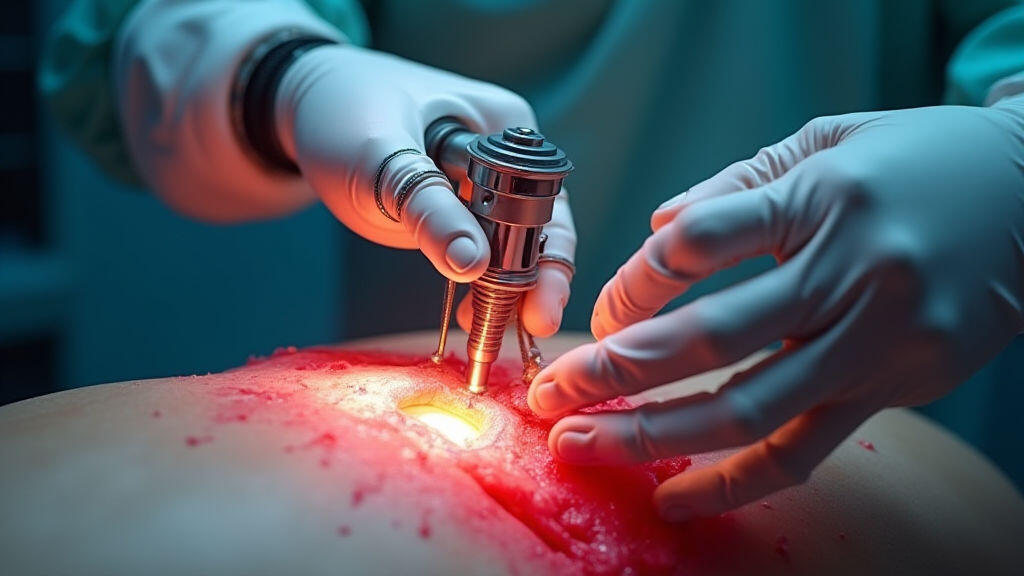
Choosing the right gear motor manufacturer is as important as selecting the right gear motor principle. MES-Drive offers a comprehensive range of high-quality gear motors specifically designed for medical applications. Our team of engineers has extensive experience in working with medical device manufacturers to develop customized solutions that meet their specific requirements. We provide detailed technical support, compliance documentation, and reliable supply chains, ensuring seamless integration and long-term performance.
The selection of gear motor principles for medical equipment is a multifaceted process demanding careful consideration of various parameters. From the precise torque requirements of surgical robotics to the energy efficiency demands of remote monitoring devices, the right gear motor is critical for safety, reliability, and optimal performance. As the medical device industry continues to evolve with innovations like AI-powered diagnostics and advancements in minimally invasive surgery, the demand for sophisticated and high-performance gear motors will only increase. Companies like MES-Drive are poised to play a pivotal role in facilitating this innovation by providing reliable, compliant, and customized gear motor solutions. Investing in the right gear motor technology is not just about meeting current needs; it's about enabling the future of healthcare.

Leave A Reply
Your email address will not be published. Required fiels are marked